Field footage: Spotting and lifting cane toad eggs from a Queensland pond
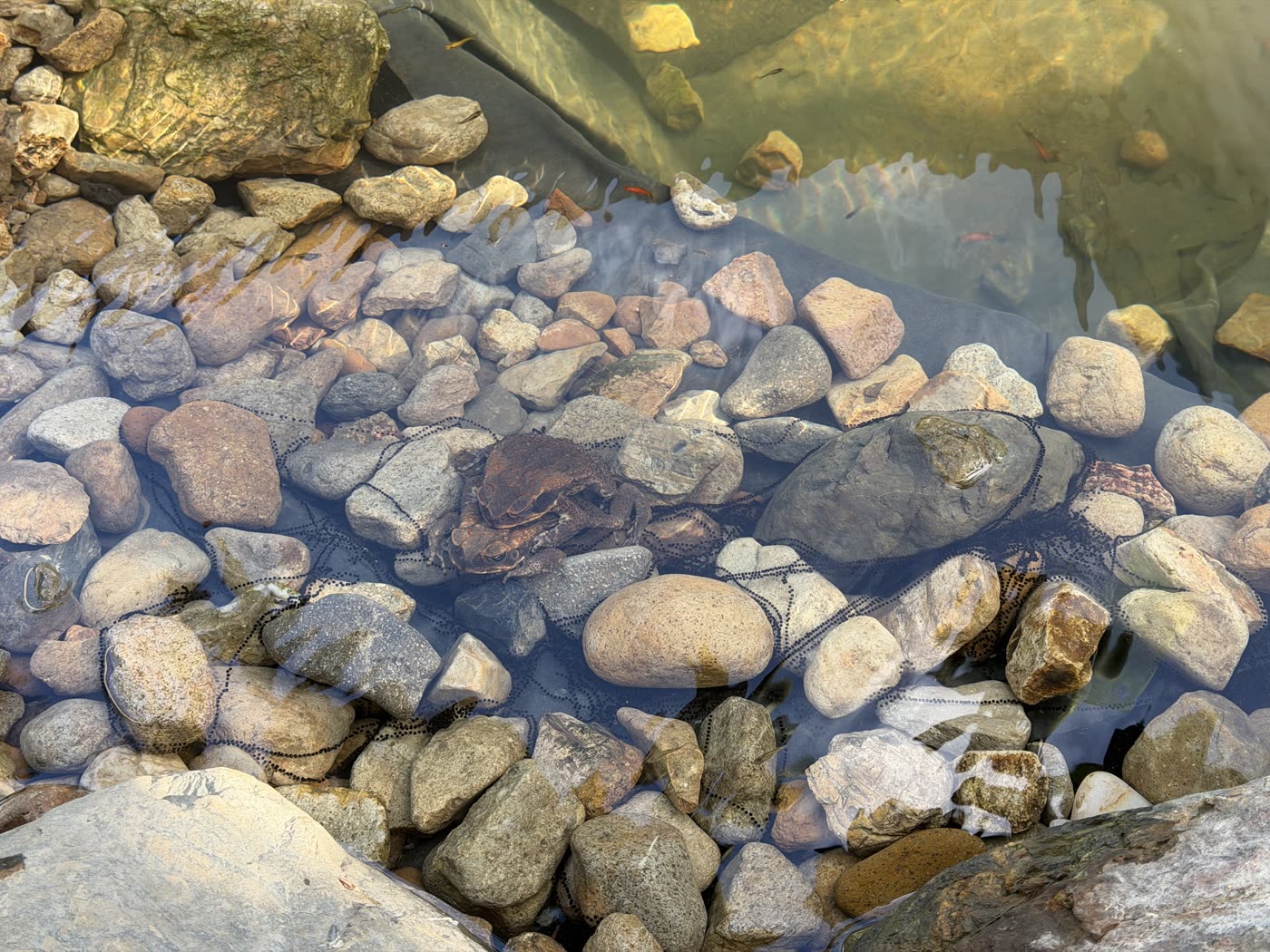
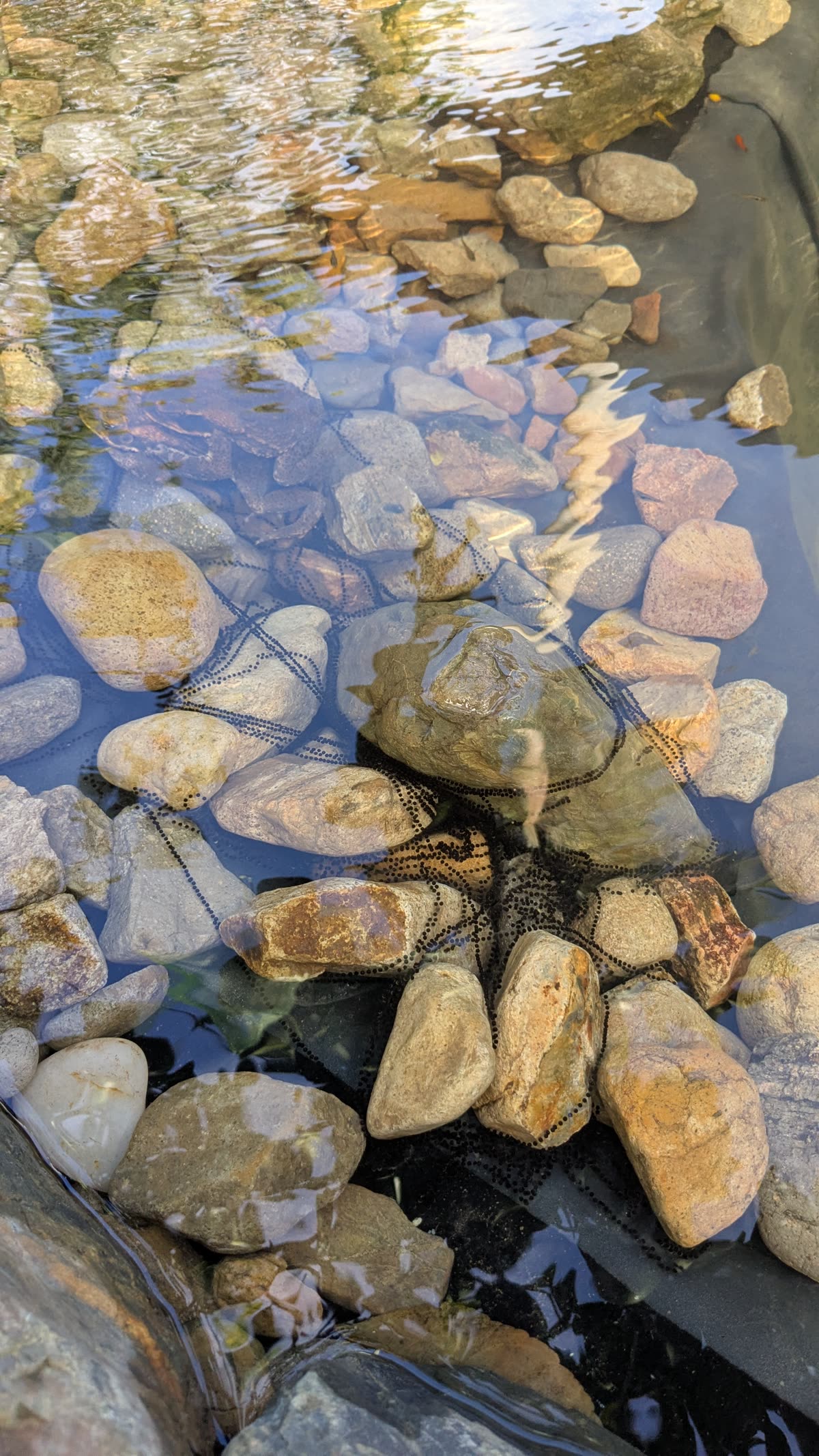
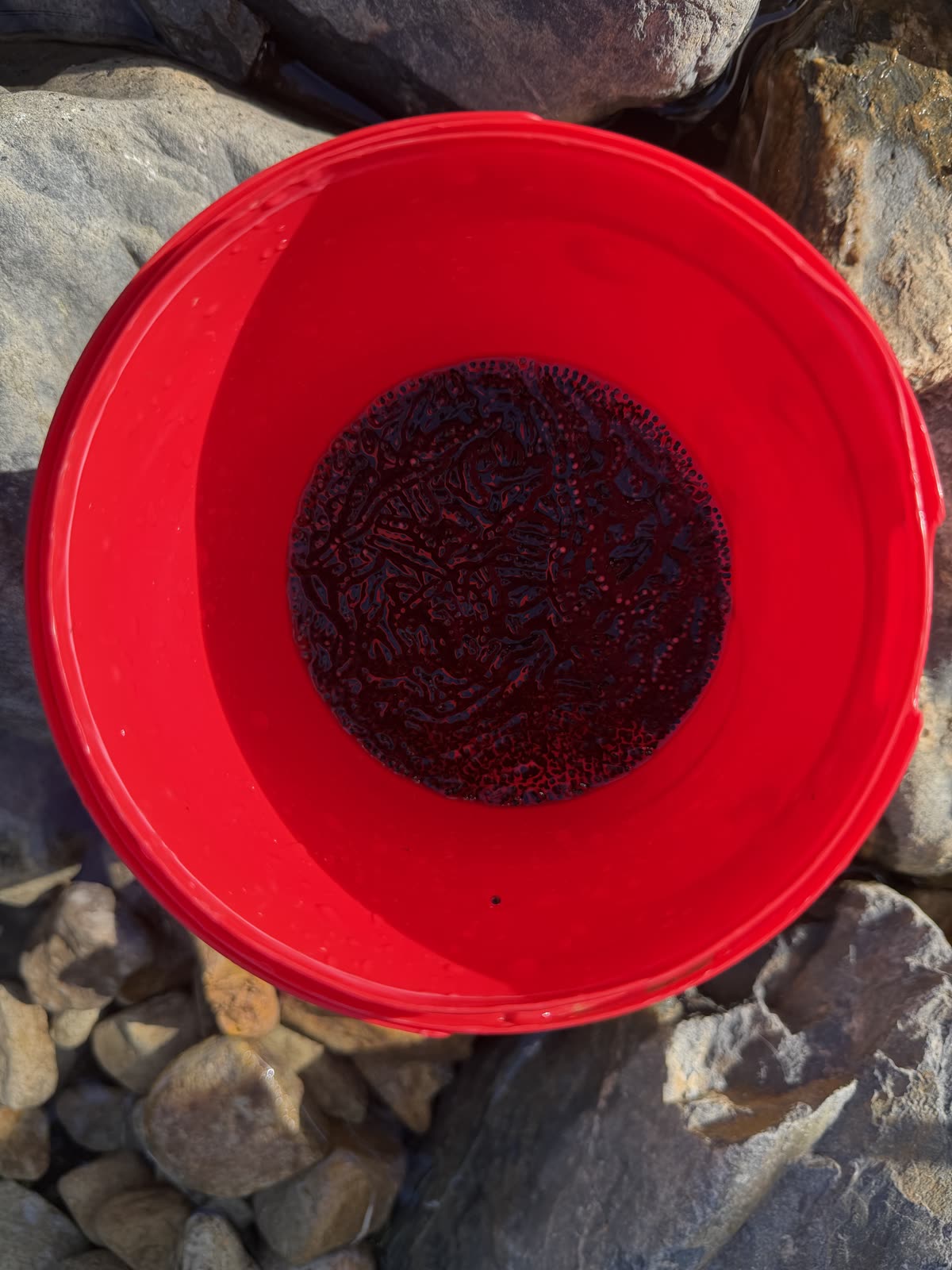
Before tadpoles even hatch, cane toad clutches are unmistakable. Unlike native Australian frogs (which lay floating foam rafts, small jelly clusters, or scattered single eggs), cane toads drape long, continuous clear jelly ropes containing double rows of jet-black beaded eggs across shallow pond rocks and aquatic plants.
The University of Queensland pheromone trapping breakthrough
Once eggs hatch, researchers at the University of Queensland's Institute for Molecular Bioscience (led by Professor Rob Capon) and collaborators from Professor Rick Shine's Team Bufo group turned cane toad cannibalism into a precision trapping system.
In Australian ponds, free-swimming cane toad tadpoles aggressively hunt newly laid cane toad eggs by tracking bufadienolide toxin compounds diffusing off the clutch. UQ IMB isolated those attractant cues into standardised lures (originally called BufoTabs) and licensed them through UniQuest to Queensland environmental non-profit Watergum.
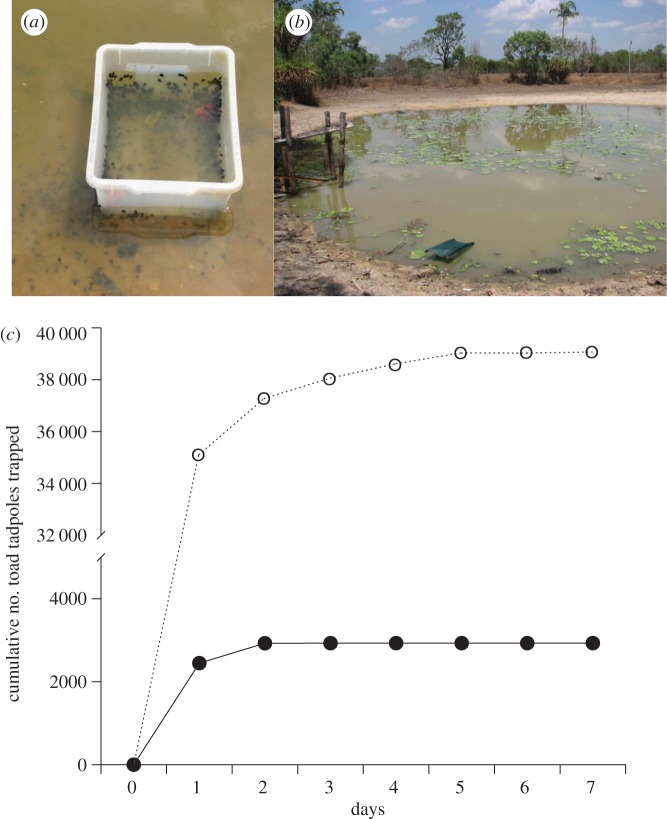
Placed inside a submerged funnel trap in warm shallow water, the lure draws hundreds or thousands of cane toad tadpoles inside within hours while native Australian frog tadpoles ignore or avoid the scent plume.
Mesh-container pond suppression: What peer-reviewed studies actually found
A series of peer-reviewed studies led by Samantha McCann, Gregory Clarke, Michael Crossland, and Rick Shine documented an intriguing phenomenon: retaining live cane toad tadpoles inside a sealed fine-mesh container (1 x 1 mm mesh) within a pond allows them to keep emitting a species-specific waterborne chemical that suppresses newly laid cane toad clutches.
Crucially, popular summaries often claim caged tadpoles stop adult females from laying eggs. The published field research highlights an important biological distinction between deterring egg laying (oviposition) and suppressing embryo survival:
| Mechanism | Free-swimming tadpoles | Mesh-enclosed tadpoles (1 x 1 mm) |
|---|---|---|
| Deters female egg laying? | Yes. Females avoid laying in ponds with free-swimming tadpoles. | No. Females still lay eggs when tadpoles are confined to cages. |
| Suppresses embryo and hatchling survival? | Yes, via both direct cannibalism and waterborne chemical cues. | Yes. Waterborne chemical cues still diffuse through mesh and kill or stunt embryos. |
| Dose dependence | Higher tadpole density increases suppression. | Higher tadpole density inside the mesh increases suppression. |
Even though adult females still lay eggs when tadpoles are confined to a mesh container, the waterborne chemical leaking out of the container sharply reduces hatching success, slows larval development, and causes high mortality among newly hatched tadpoles.
Equally important, McCann, Crossland, and Shine (2019) showed that trapping and removing tadpoles alone can trigger a compensatory rebound effect: removing competition lets surviving tadpoles grow faster, metamorphose larger, and survive better on land. Pairing pheromone trapping with ongoing larval chemical suppression blocks that rebound while remaining completely safe for native Australian frog eggs and tadpoles.
Primary peer-reviewed studies
-
Field trials with mesh enclosures (2020)
McCann, S., Crossland, M. R., Greenlees, M., and Shine, R. (2020). Field trials of chemical suppression of embryonic cane toads (Rhinella marina) by older conspecifics. Ecology and Evolution, 10(18), 10177 to 10185. Demonstrated in outdoor waterbodies with 1 x 1 mm mesh enclosures that exposed embryos were less than half as likely to survive to metamorphosis and emerged significantly smaller.
-
Original discovery and mesh-container proposal (2015)
Clarke, G. S., Crossland, M. R., Shilton, C., and Shine, R. (2015). Chemical suppression of embryonic cane toads (Rhinella marina) by larval conspecifics. Journal of Applied Ecology, 52(6), 1547 to 1557. Found that cane toad tadpoles across all developmental stages release a species-specific chemical causing over 95% embryo mortality in lab trials, and specifically proposed keeping live tadpoles inside secure mesh containers in breeding ponds so trapping does not erase natural suppression.
-
Combining pheromone trapping and chemical suppression (2019)
McCann, S., Crossland, M. R., and Shine, R. (2019). Pheromones can cull an invasive amphibian without releasing survivors from intraspecific competition. Ecosphere, 10(12), e02969. Showed how pairing pheromone-baited traps with tadpole chemical suppression prevents standard culling rebound.
-
Species-specific safety for native Australian frogs (2016 to 2017)
Crossland, M. R., and Shine, R. (2017). Methods for invasive species control are transferable across invaded areas. PLOS ONE, 12(11), e0187265. Confirmed the tadpole suppression cue is specific to cane toads and does not harm native Australian frog eggs or larvae.
Practical status and escape-prevention warnings
Academic research finding, not a standard council protocol
While UQ IMB commercialised the pheromone trap lures through Watergum, holding live cane toad tadpoles inside mesh containers remains an academic research technique rather than an official local council program.
- Prevent escape at metamorphosis: Cane toad tadpoles can transform into terrestrial toadlets in 3 to 20 weeks depending on water temperature and food. Any pond containment setup requires fine mesh (1 mm or smaller), a secure sealed lid extending above the waterline, and frequent checks so newly metamorphosed toadlets can never escape onto land.
- Remove and euthanise before back legs form: Always transition held tadpoles to RSPCA-approved two-stage cooling and freezing well before metamorphosis.
Building on this same cannibalism ecology, Team Bufo researchers at Macquarie University have also trialled gene-edited "Peter Pan" cane toad tadpoles that lack the hormone gene required to metamorphose, allowing them to remain permanent aquatic egg-eaters in controlled studies before trap removal.
Queensland tadpole trapping and pond management gear
Source official UQ-researched tadpole traps and lures through Watergum in Queensland, paired with night-collection tools.
Links below route to Australian retailers. Some retailer links are affiliate links that help cover hosting costs at no extra cost to you.
-
Watergum Cane Toad Tadpole Trap and Lure
University of Queensland researched pheromone lure targeting cannibalistic cane toad tadpoles in dams and ponds without catching native frogs.
-
Solar UV Insect Attractant Light (DIY Trap Upgrade)
Mount inside a DIY bucket or mesh trap to pull night-flying insects inward, drawing adult cane toads through one-way entry funnels.
-
Long-Reach Grabber Tongs and Nitrile Work Gloves
Essential kit for wet-season night collection. Keeps hands clear of parotoid gland bufotoxin while transferring adults into lidded buckets.
-
Rechargeable Wide-Beam LED Headlamp
Hands-free wide beam makes nocturnal eye-shine easy to spot across damp lawns before letting dogs out after dark.